

SDLC (Software Development Life Cycle) is a framework used to organize the software development process. SDLC includes various stages, ranging from planning, analysis, design, implementation, to system maintenance. Each stage plays a crucial role in ensuring that the developed software meets user requirements and operates efficiently.
The implementation stage in SDLC is one of the critical phases where the previously designed system is transformed into a functioning system. In this stage, developers install the software, configure the system, and ensure that all components work well in the production environment. Without effective implementation stage, even the best design will not be able to function optimally in practice.
This article aims to provide a deep understanding of the implementation phase in SDLC. You will learn about the main activities carried out during this stage, the challenges that may be encountered, and the importance of the post-implementation phase for the long-term success of the system. By understanding every aspect of the implementation phase, you can better plan and execute software development projects efficiently and effectively.
Table of Contents
1. Understanding the Implementation Phase in SDLC
The implementation phase in the Software Development Life Cycle (SDLC) is the stage where previously designed plans are transformed into a functioning system. During this stage, software installation and system configuration are performed to make it ready for use by end users. The definition of implementation includes all the steps required to set up and run the software in a production environment.
Important Roles in SDLC:
- Transformation from Design to Real System: Implementation ensures that all plans, designs, and technical specifications are realized into functional applications or systems.
- Testing and Validation: The system is tested to ensure that it meets all the functional and non-functional requirements that have been established.
- End User Preparation: Involves user training to ensure that they can effectively use the system.
Differences between Design and Implementation
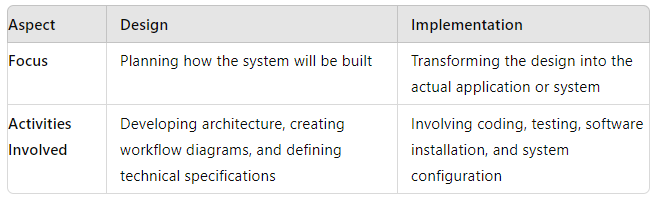
The Complete Guide to Implementation Phase in SDLC helps you understand each step of this process, from system deployment to user training. Implementation Phase in SDLC is the key to ensuring that software solutions can be effectively used in real-world environments.
2. Key Activities in the Implementation Phase
1) System Deployment
The main activity in the implementation phase begins with system deployment. This is the process where the previously designed software is transformed into an application that can be used in a production environment. In this context, several key steps need to be considered.
The Importance of Data Migration
Data migration is a critical step during system deployment. Data from the old system needs to be transferred to the new system without losing data integrity. This process is crucial to ensure that all important information is available and functioning properly in the new system.
Steps to Perform Data Migration
To ensure smooth data migration, there are several steps that need to be followed:
- Data Analysis: Identifying which data needs to be transferred and ensuring that the data is relevant and accurate.
- Data Preparation: Cleaning and reformatting the data to align with the structure of the new system.
- Data Transfer: Using specialized tools or scripts to transfer data from the old system to the new system.
- Data Validation: Ensuring that all data has been transferred correctly and that nothing is missing or damaged.
- System Testing: Conducting comprehensive testing to ensure that the data functions as expected in the new system.
Challenges During Migration
Data migration is not always smooth and often faces various challenges, such as:
- Data Structure Incompatibility: The old and new systems may have different data structures, making it difficult to directly map the data.
- Large Volume of Data: Moving a large amount of data can take significant time and resources.
- Potential Data Loss: There is a risk of data loss or damage during the migration process if not done carefully.
- Data Security: Maintaining data security during migration is crucial to avoid leakage of sensitive information.
By understanding the importance of data migration as well as the steps and challenges involved, you can be better prepared to overcome obstacles during the implementation phase of this system.
2) Data Migration
Data migration is an important process in the implementation stage of SDLC that involves transferring data from the old system to the new system. It ensures that the data remains intact and easily accessible in the new production environment.
Effective Training Methods:
- In-person Training: Providing end users with the opportunity to learn directly.
- Online Training: Allowing flexibility of time and place for end users to learn.
- Comprehensive Documentation: Written guides and video tutorials to help users understand the data migration process.
The Importance of End User Training:
- Improving System Usage Effectiveness: Trained users are more capable of operating and utilizing new features.
- Reducing Operational Errors: Good training can reduce the risk of errors in data management.
- Increasing User Satisfaction: Users who are comfortable with the new system are likely to be more satisfied.
User Feedback after Training:
- Training evaluation: Gathering feedback from training participants to identify strengths and weaknesses of the training methods.
- Training method adjustment: Based on the feedback, training methods can be adjusted for future effectiveness.
- Ongoing support: Providing post-training technical support to address any questions or issues that may arise.
3) User Training
User training is an essential component in the SDLC implementation phase. This training process aims to ensure that end users can effectively and efficiently use the new system. Here are some key activities in user training:
Pre-launch Testing Process
Testing the system before its official launch is crucial to ensure that all functions are working as expected. This includes final testing, such as unit testing and integration testing, to detect system bugs.
Types of Testing Performed
- Unit Testing: Testing each software component individually to ensure that each part is functioning correctly.
- Integration Testing: Testing how various components work together in a single system to ensure data integrity and overall functionality.
Resolving Discovered Bugs and Issues
After testing, the development team will identify and fix any bugs or issues that are found. This process is important to ensure that the system is ready for use in a production environment without any significant obstacles.
Effective training not only involves software installation and system configuration, but also provides a deep understanding of the data migration process from the old system to the new system. Therefore, end users can smoothly perform their tasks in the new production environment.
Post-Implementation Phase: System Maintenance for Long-Term Success
After the implementation phase is complete, the system maintenance phase begins. In this phase, the main focus is to ensure that the system continues to function optimally and meets the needs of the users.
System maintenance encompasses various important activities:
- Bug Fixes: When users start using a new system, it is likely that bugs or issues that were not detected during the testing phase will arise. The development team must be prepared to handle and fix these bugs as quickly as possible.
- Software Updates: In a constantly evolving technological environment, software updates are crucial. These updates can include adding new features, enhancing security, or improving performance.
- User Feedback: Obtaining feedback from end users is very important in the maintenance phase. This feedback helps the team understand how the system is being used in real life and which areas need to be improved.
Key statements for the long-term success of the system’s sustainability:
- Timeliness: Maintenance must be carried out in a timely manner to prevent minor issues from developing into major problems.
- Responsive to Change: The system must be able to adapt to changes in business needs and technology.
- User Involvement: Involving users in the maintenance process through regular feedback ensures that the system continues to meet their expectations.
Effective maintenance ensures that the time and resources invested during the implementation phase are not wasted, and supports the long-term success of the developed system.
SDLC Models Used in Implementation: Choosing the Right Approach for Your Project
Characteristics of the Waterfall Model
The waterfall model is a traditional approach in software development. The sequential steps of this model include:
- Requirements Analysis
- System Design
- Implementation
- Testing
- Maintenance
Advantages:
- Clear and easily understandable structure.
- Complete documentation at each stage.
- Suitable for projects with stable requirements.
Disadvantages:
- Less flexible towards changes.
- Not ideal for dynamic projects.
Basic Principles of Agile Model
The agile model emphasizes development flexibility and adaptability. Its basic principles include:
- Short Iterations: Each iteration results in small improvements to the product.
- Team Collaboration: Developers, product owners, and stakeholders work together continuously.
- Responsive to Change: The ability to quickly respond to feedback and changing needs.
Benefits of Using Agile Method in the Implementation Phase:
- Allows quick adjustments during the development process.
- Enhances collaboration between development team and end users.
- Reduces risks by identifying issues earlier.
Description of Iterative Model
The iterative model is an approach that utilizes repeated improvements to develop a system. Each iteration consists of planning, design, coding, and testing phases.
Application in System Implementation:
- Repeated Improvements: Identifying and fixing issues in each iteration.
- High Adaptability: Flexible in facing changing needs or new technologies.
This method is suitable for complex projects that require continuous refinement.
Implementation Goals in SDLC: Achieving Optimal System Success
The implementation phase has several main goals that are crucial to ensure system success. Firstly, the implementation goals are to guarantee that the system functions well in the real environment. This involves testing and validation to ensure that all software components work as expected.
Meeting Functional and Non-Functional Requirements
The system must meet the functional and non-functional requirements that have been defined in the analysis and design phase. Functional requirements include the mandatory features needed to support business operations, while non-functional requirements encompass the performance, security, and scalability of the system.
Ensuring System Functionality in the Real Environment
Implementation aims to ensure that the system can run smoothly in actual operational conditions. This includes:
- Final Testing: Conducting comprehensive testing of the system to ensure that there are no bugs or technical issues.
- Data Migration: Transferring data from the old system to the new system without losing important information.
- User Training: Providing training to end users to ensure that they can effectively use the system.
Meeting Predefined Specifications
The system must comply with the specifications that have been established during the planning and design phase. This includes fulfilling all technical and operational requirements that have been agreed upon by the development team and stakeholders.
By achieving these goals, implementation in SDLC can be considered successful if the new system can operate as expected and bring added value to the organization.
Post-Implementation Evaluation: Assessing Effectiveness and User Satisfaction with the New System
Post-implementation evaluation is a crucial step to ensure that the new system functions well and meets user expectations. This process is important because:
- Identifying Issues: Evaluation helps in detecting problems or bugs that may not have been detected during previous testing phases.
- Assessing System Performance: Through evaluation, you can assess whether the system performance meets the expected standards.
- User Satisfaction: Measuring the level of user satisfaction with the functionality and ease of use of the new system.
Methods for Evaluating Effectiveness and User Satisfaction
To evaluate effectiveness and user satisfaction, various methods can be used:
- User Surveys:
- Using questionnaires to obtain direct feedback from users about their experience using the new system.
- Questions can cover aspects such as ease of use, response speed, and system reliability.
- Field Testing:
- Conducting system testing in a real work environment to see how the system operates in the field.
- Gathering data on user interactions with the system in everyday situations.
- Data Analysis:
- Using analytical tools to monitor the performance of the system in real-time.
- Analyzing activity logs to identify usage patterns and potential issues.
- In-depth Interviews:
- Conducting one-on-one interviews with key users to gain deeper insights into their experiences.
- These discussions can delve further into additional needs or unmet features.
These methods provide a comprehensive overview of how effectively the new system operates and how satisfied users are after its implementation.
Conclusion: Building the Foundation for Successful Software Development Projects Through Strong Implementation Phase
The implementation phase in SDLC is a crucial foundation for the long-term success of software systems. By ensuring that the design is transformed into a functional system, you guarantee that user requirements are met. Key activities such as system deployment, data migration, user training, and system testing play a crucial role in achieving this goal. Ongoing maintenance and post-implementation evaluation identify areas for improvement and ensure user satisfaction. With the right approach, organizations can achieve optimal success in their software development projects.